

The art of dry-stone walling
June, 4th 2026
by Marylou Bellicam
Xerolithia, a world-wide technology
Throughout the Cyclades, dry-stone walls or xerolithia (ξερολιθιά) are shaping the Aegean landscape, as a reflection of thousands of years of know-how and architectural, environmental, economic and cultural significance.
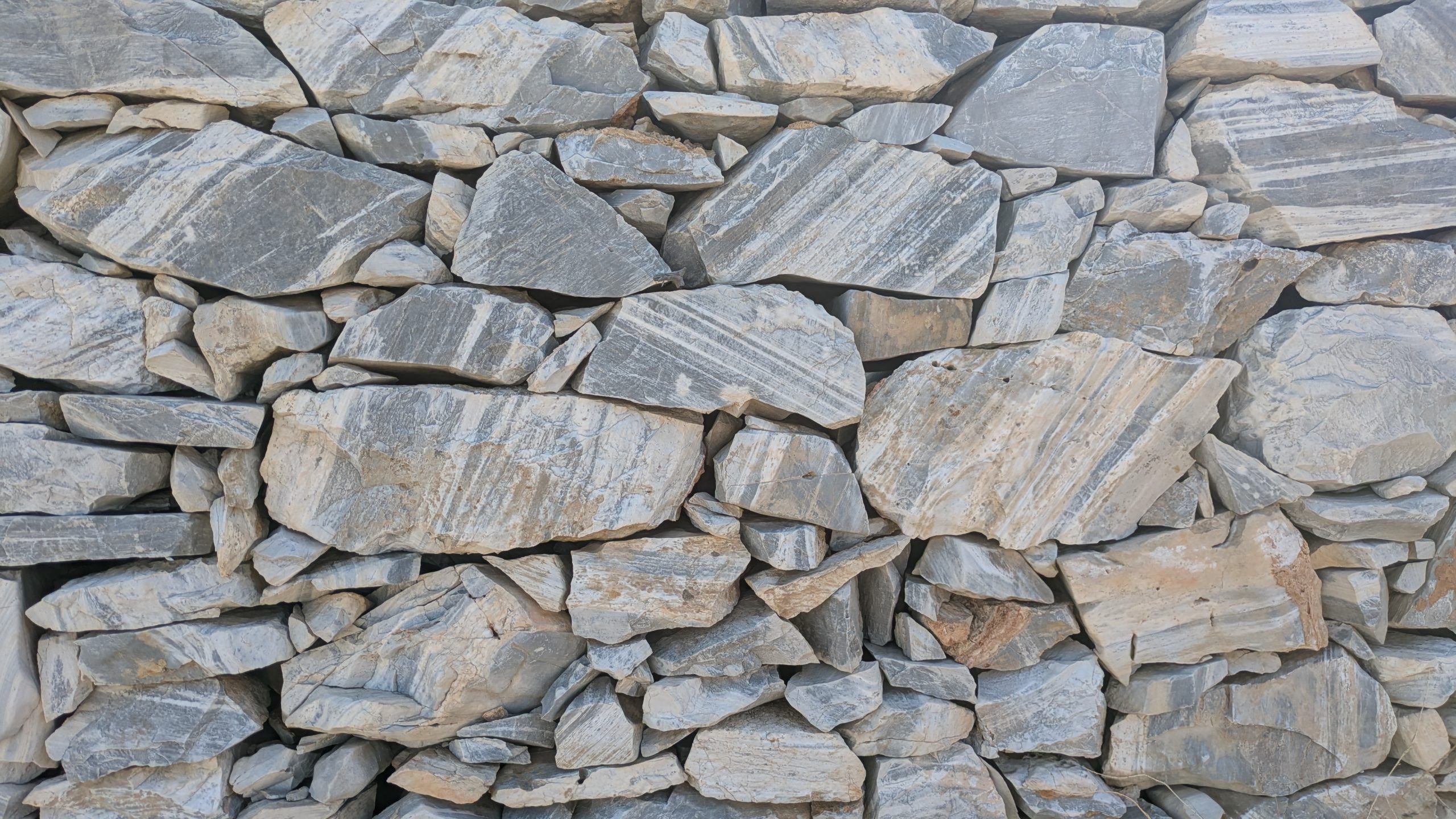
Built in long lines or in stacked terraces, xerolithia structures are made of stones meticulously placed on top of each other without any binding material. This primeval craft goes back to the Neolithic period and signs of it are scattered throughout the world across a variety of civilisations: They can be found in the hills of Syros and Greece, but also in Europe, North and Central America, Asia, Africa as well as in Oceania.
An eco-friendly and multi-purpose practice
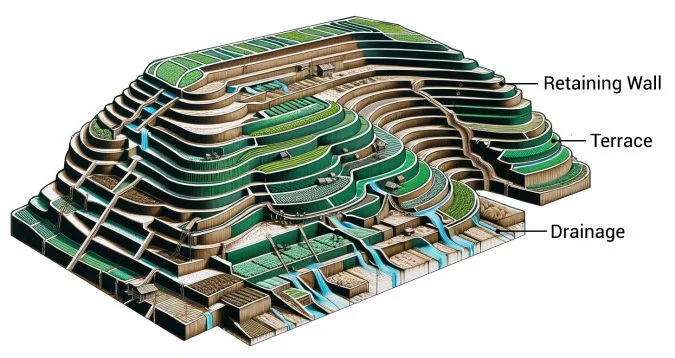
Dry stone structures fulfill many roles. Some of the more straightforward ones being to divide properties and contain the herds and protect crops. More importantly, xerolithia helps create farming terraces, retain the soil and the water, and prevent erosion by the north wind and the rain. They make cultivation possible where there would otherwise be an unfarmable slope of the hill. Finally, xerolithia becomes a biodiversity refuge. Its walls are the ideal habitat for plants such as capers, and provide shelter for wildlife : migratory birds, solitary bees, insects and reptiles.
This building method is sustainable and leaves no carbon footprint, as it favors local and natural materials. Due to its nature, techniques and practices have to be adapted to local weather conditions, stone qualities and terrain making each wall unique and in absolute harmony with its surroundings.
A practical and theoretical effort
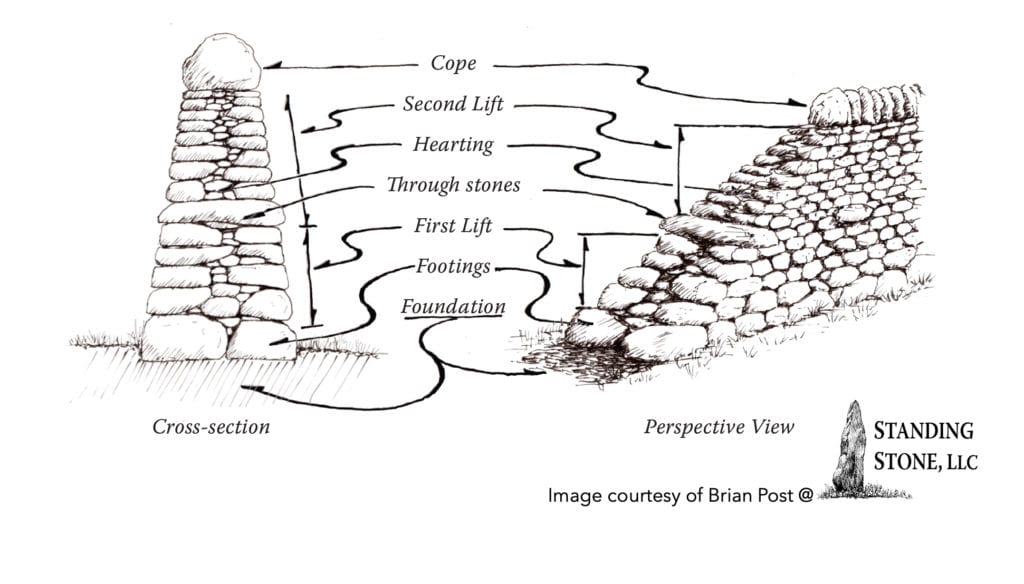
This multiscale art isn’t only a long-term positive human intervention to the landscape, but is above all a traditional technique that requires complex and demanding expertise. Building a dry stone wall is a difficult puzzle requiring an understanding of geometry and physics, and the skillset to select which stones to use, to determine which ones are rotten or unsuitable. Moreover, the ability to choose where to build the walls, carry the stones, arrange and balance them without collapsing into a heap.
« The stones must be laid “patikes” (flat and stable) and not “dromikes” (with the short side facing the facade). The “matos” (the length of the stone) must always be laid inwards. All the gaps must be filled with small stones, to “mold” the building from the inside. And the large stone that will be placed on top must “sleep”, as the old people used to say. That is, it must be absolutely stable and laid. I always say it, there is a right and wrong placement, there are no right and wrong stones », explains Haris Hamilothoris, a stone craftsman from the village of Moni in Naxos, with 43 years of experience in the profession.
Thus, it happens to be a tiring, intense but slow job, in which a master craftsman with two workers can produce only three to four square meters of wall per day ; As a result, the communities and families would come together to help build them, which adds a social dimension to this cultural practice.
A unique art form to be preserved
This enduring craftsmanship is a form of immense architectural, environmental, economic, and cultural significance. Drystone walls are a common sight in depictions of the landscapes of Syros and ultimately, it would not be as we experience it today without them. Consequently, they demonstrate a timeless and impressive “folk art”, an important element of the Syriot identity which is listed as part of UNESCO’s Intangible Cultural Heritage since 2018.
Back then, everyone was familiar with this skill in one way or another—at the very least within their relatives—to the point that everyone was able to repair the drystone walls and do maintenance. « During the times when we didn’t have much work, we’d fix a wall that had fallen down. […] That’s where we started—and almost all farmers who own land know how to build dry stone walls, more or less. Some are good at it, others aren’t. But everyone knows how and builds them. », says Frangiskos, one of the last craftsmen in Syros.
Today on the other hand, mainly because of industrialization and modernization, the job is slowly getting lost. The decline in demand for professional wallers meant the craft of dry stone walling started to peter out. When Mr. Hamilothoris sees some of them “collapse”, he is saddened, since, « When a dry stone wall is damaged, it is difficult for an individual to restore it. If it weren’t for the dry stone walls, our grandparents wouldn’t have been able to live.» Dry stone walls are much more than an ancient construction technique ; they are both nostalgic memories and a vital solution to the contemporary problems of their places. Therefore, the role of passing on this art is essential since this practice is becoming less common whereas it strengthens the island’s identity. That is the reason why it is important to highlight and promote this know-how.
References
Byrne, Kate, former volunteer at Apano Meria SCE. Internal document. « DRY STONE WALLS ARTICLE », 2026, 8 p.
Frangiskos, Nikos, Frangiskos Jr. Interview Transcription. Internal document. Interview conducted by Maria Papatheodorou and Marina Konstantopoulou (Apano Meria SCE), 6.04.2026, 15 p.
JONES Gerry. « Dry Stone Walling: Rock of ages, cleft for me », 13.11.2014
Digital Photo Album “The Xerolithia of Syros”
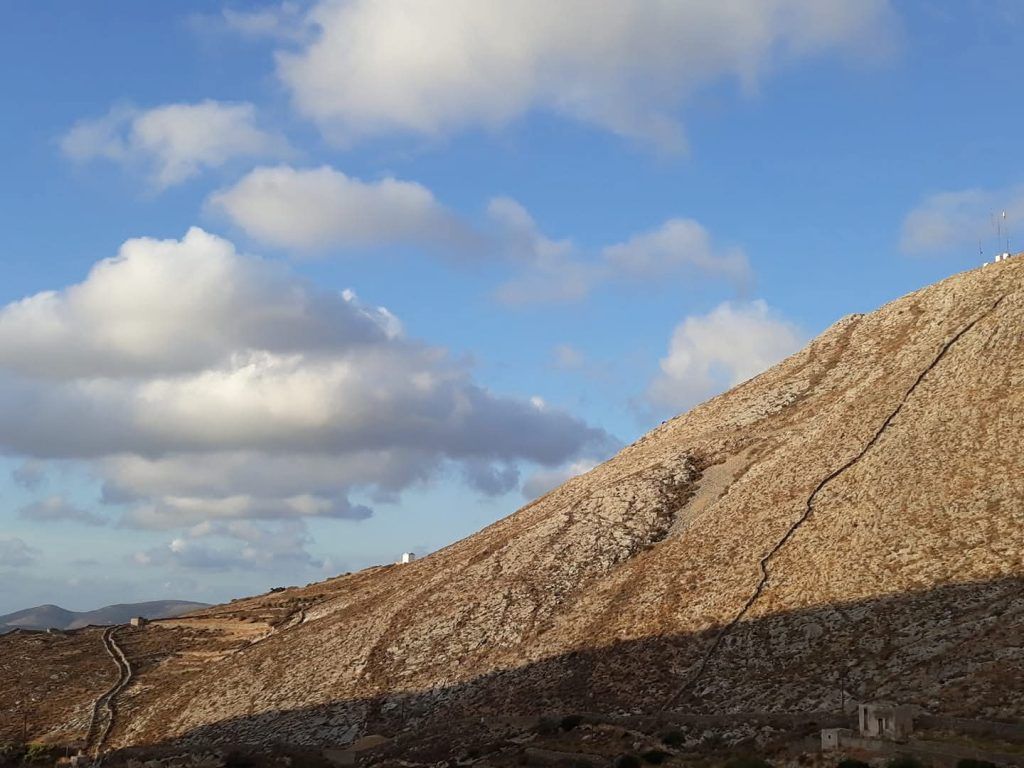
Ano Syros by Ioanna Papastathopoulou 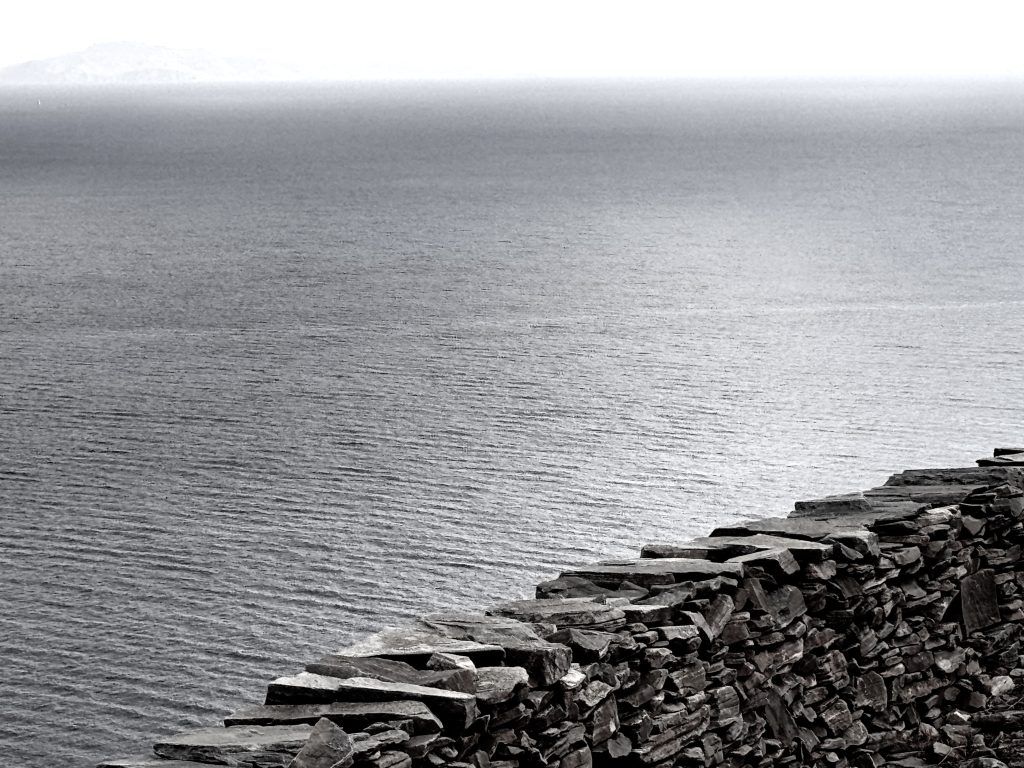
Kastri by Myrto Karamitsou 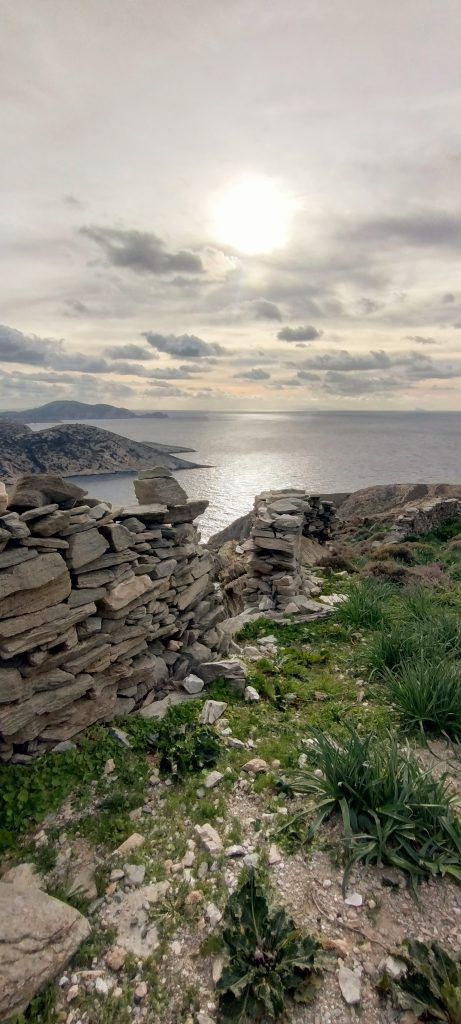
Schizomenes by Ioannis Petridis 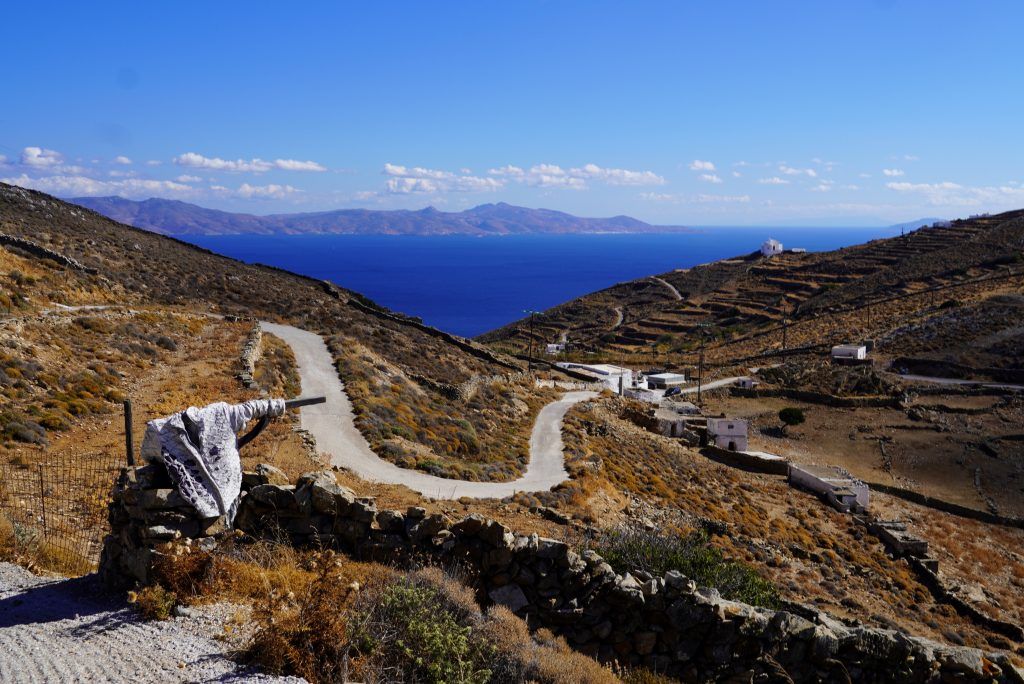
Syriggas by Maria Zlatani 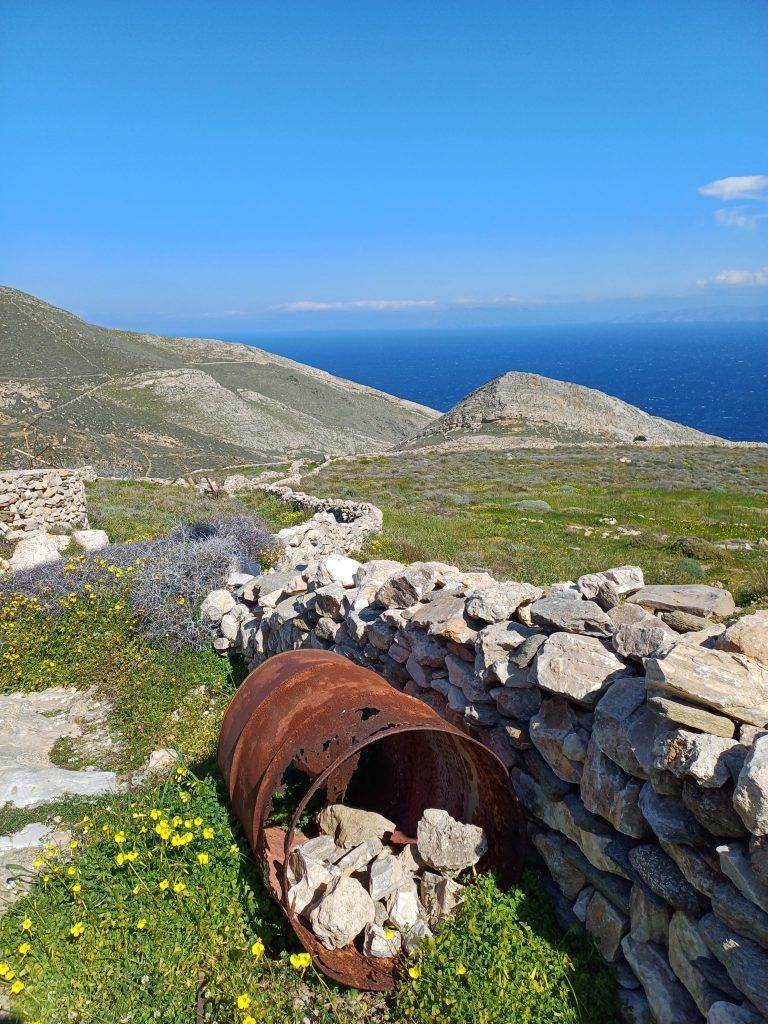
Chalandriani by Ioanna Tatsi 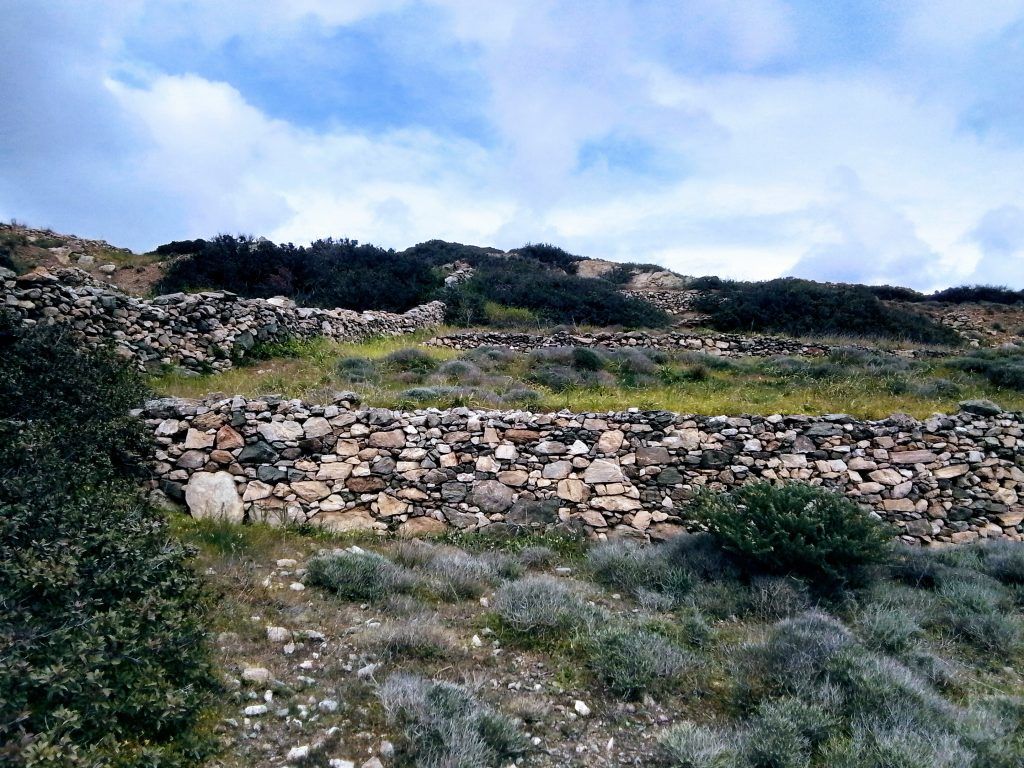
Vari by Nikos Desipris 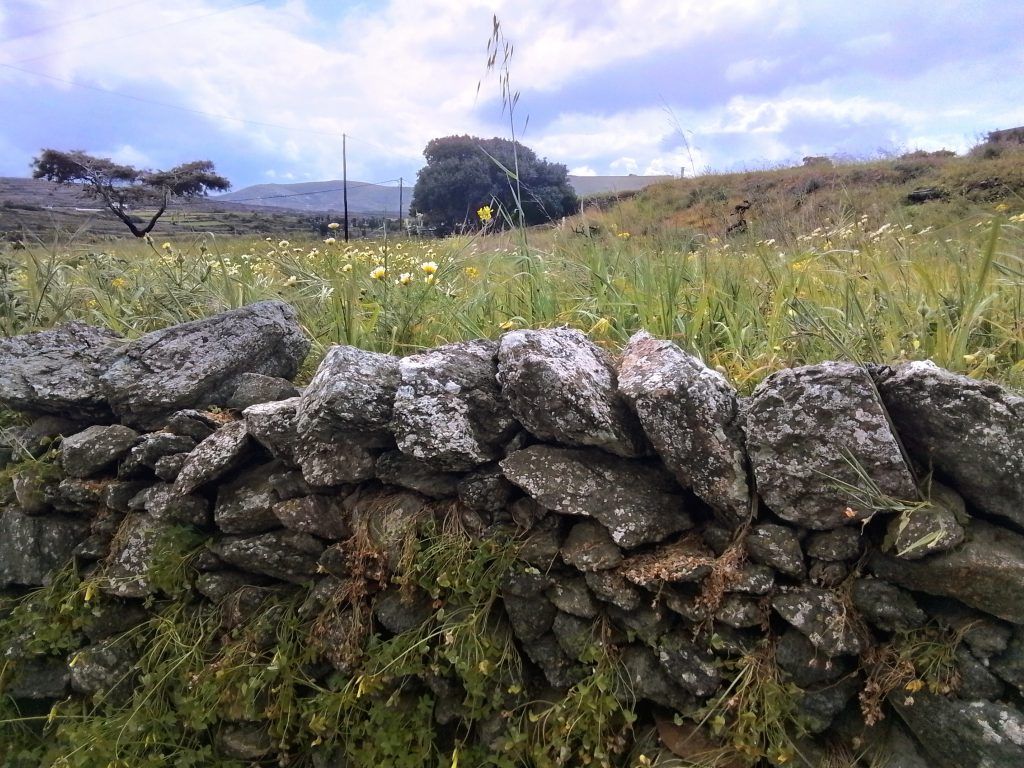
Talanta by Nikos Desipris 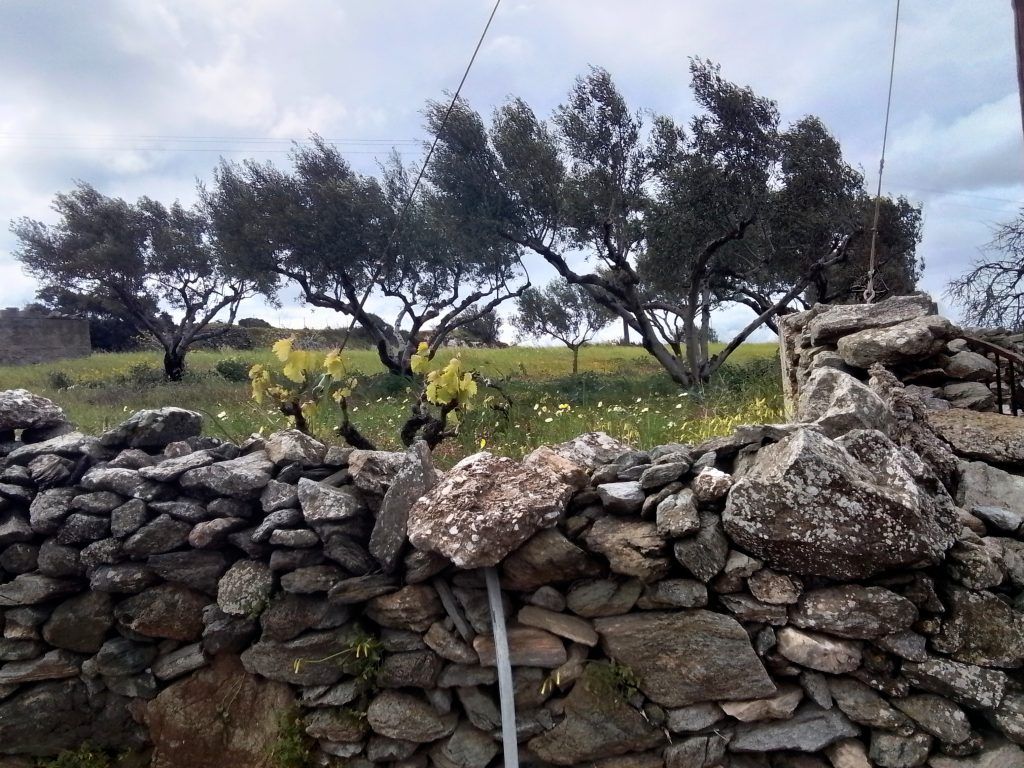
Talanta by Nikos Desipris 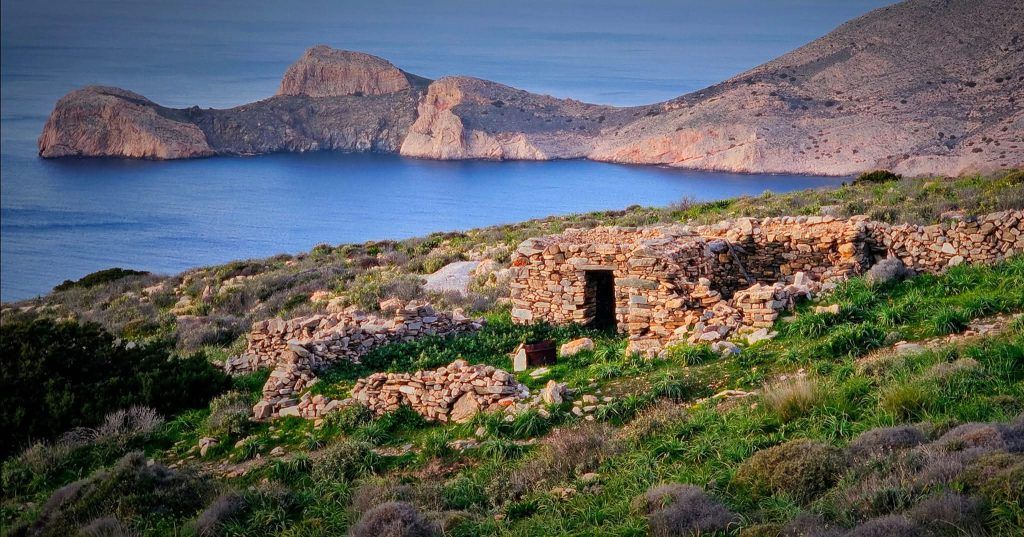
Mt. Charasonas by Sperantza Douratsou 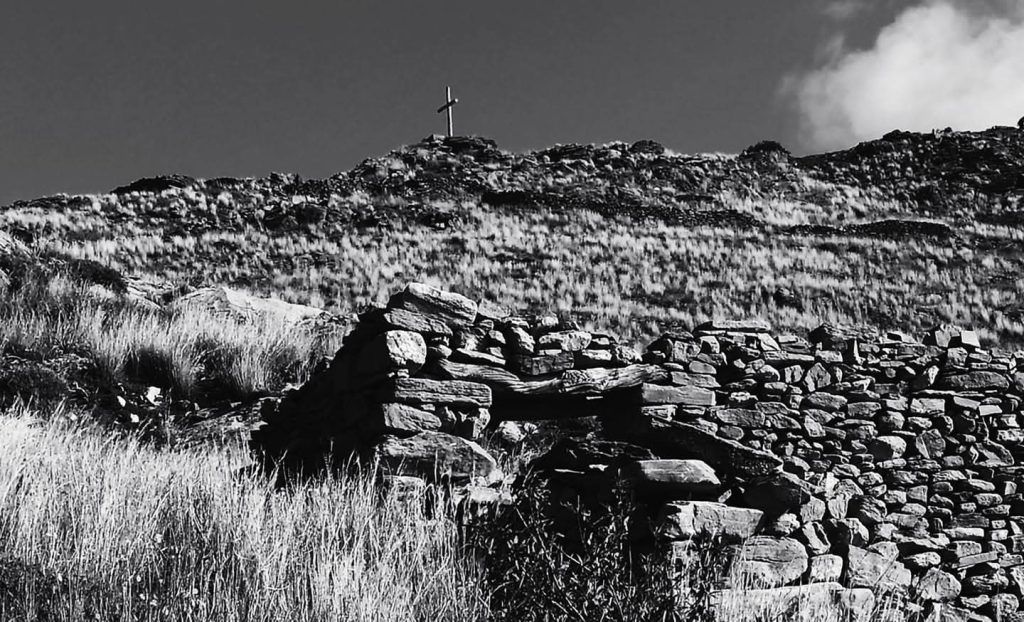
Mt. Koukoufa by Sperantza Douratsou 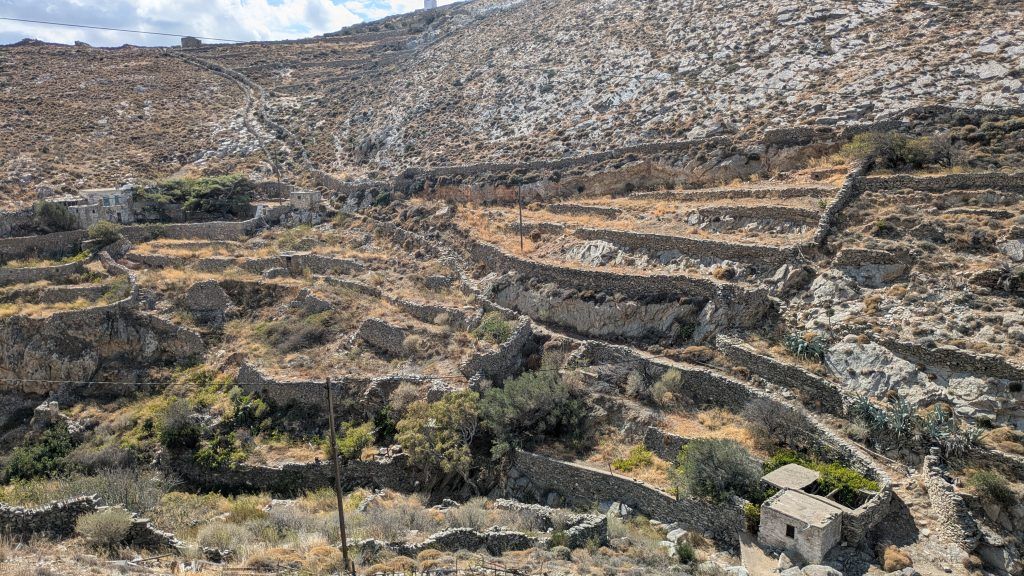
Foinikia by Andrianos Pappas 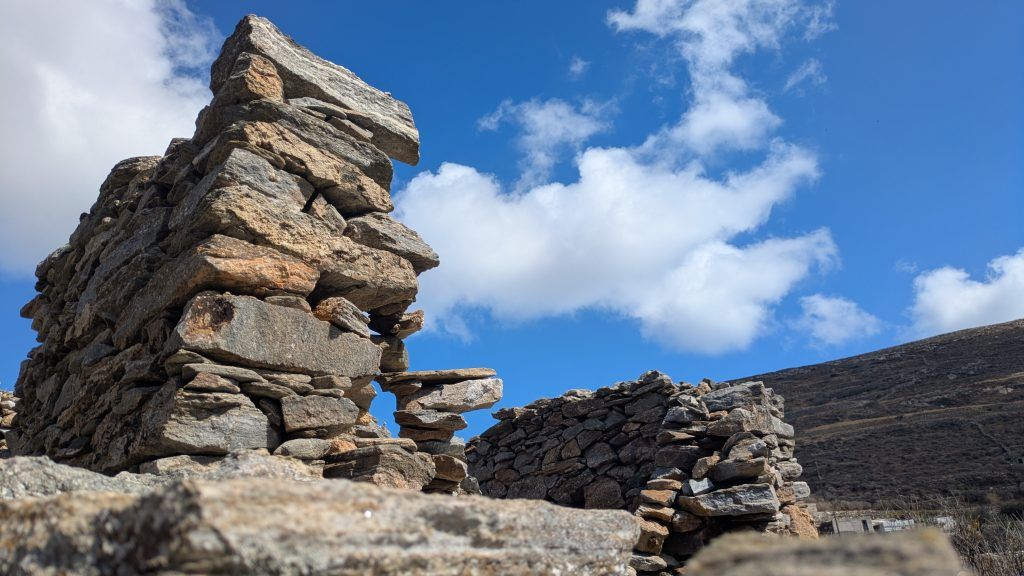
Foinikia by Andrianos Pappas 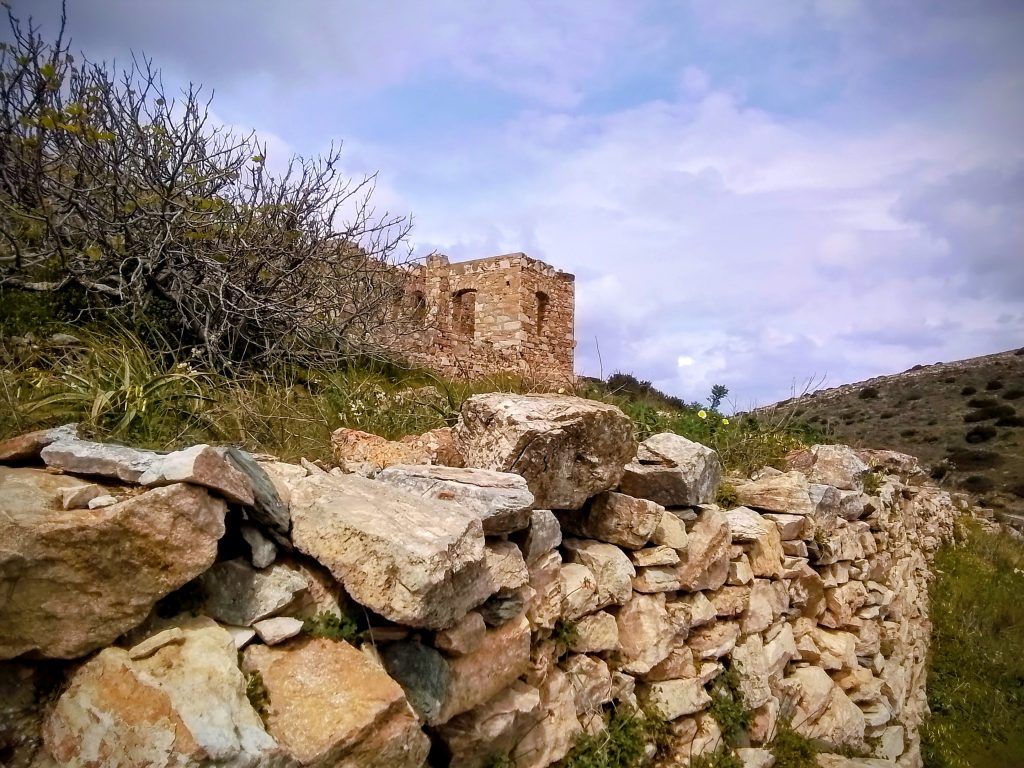
Ano Manna by Nikos Desipris 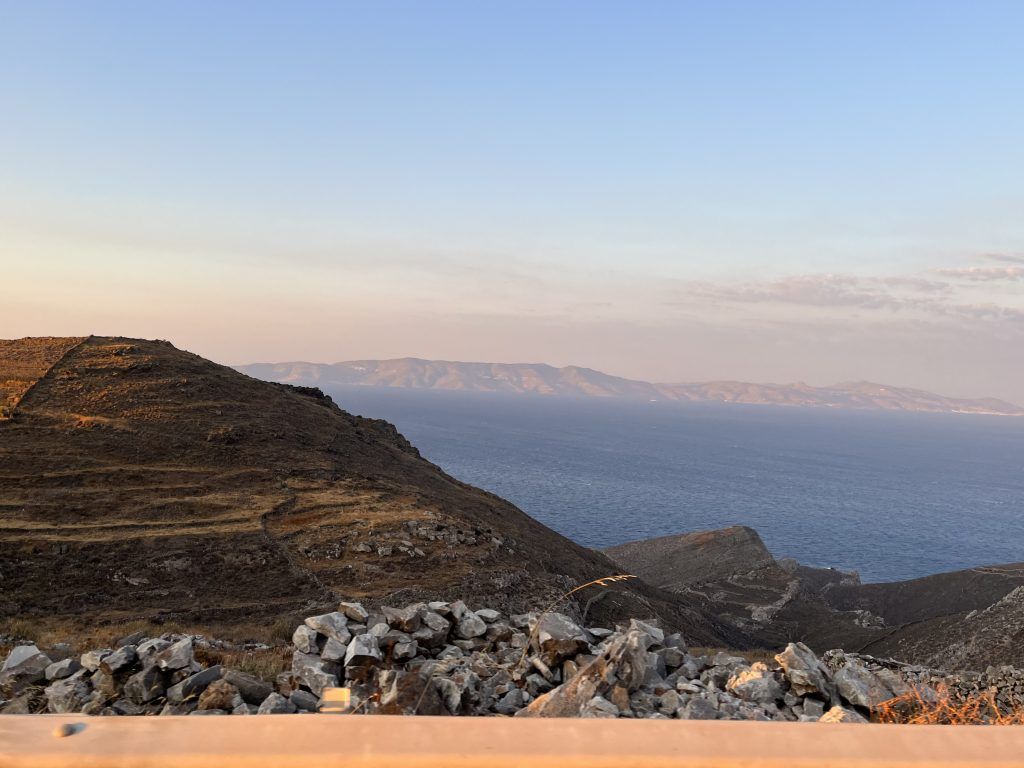
Apano Meria by Niovi Fournogeraki 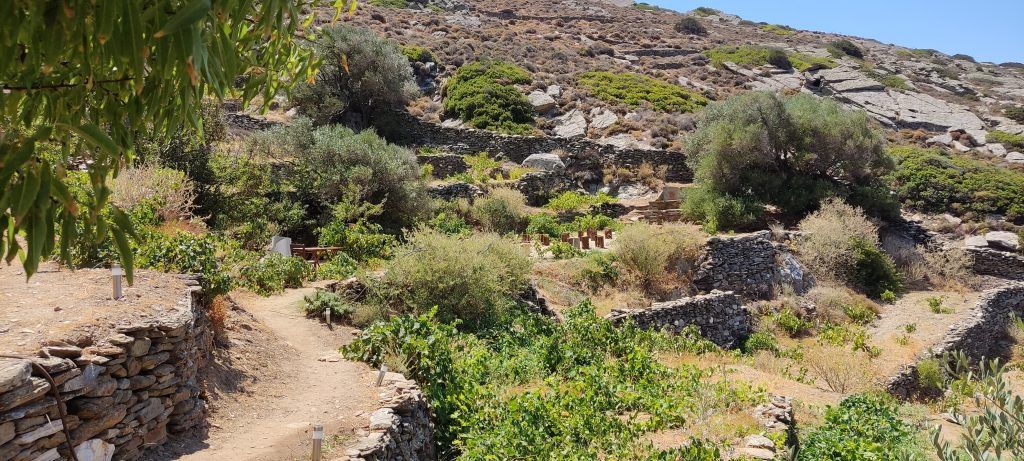
Pomogna farm by Apano Meria SCE 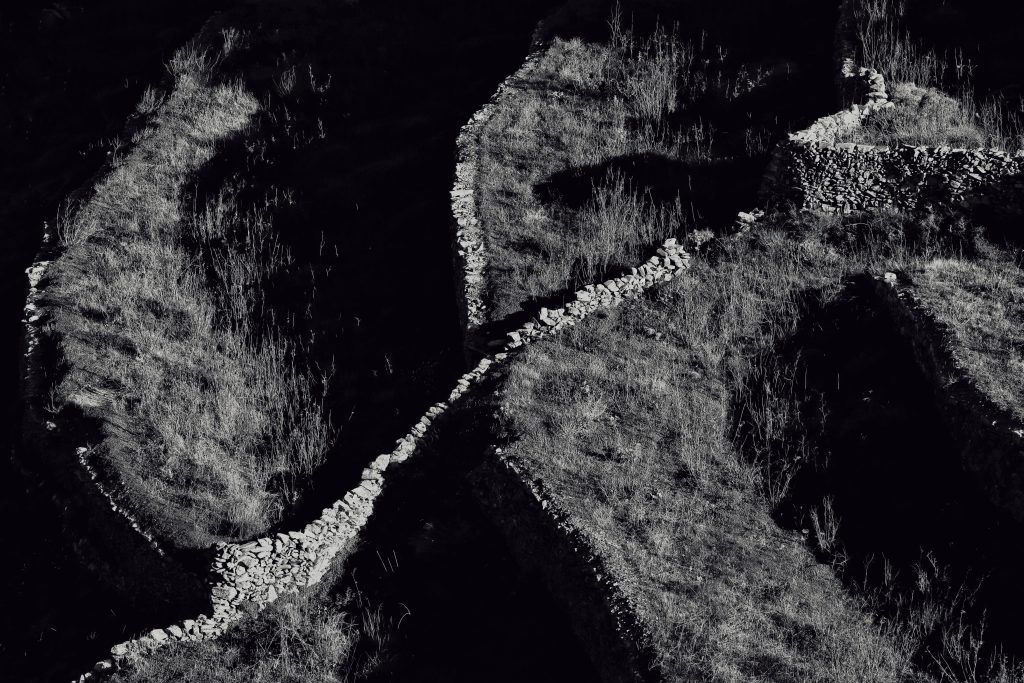
Ano Syros by Sotiris Tzoudas 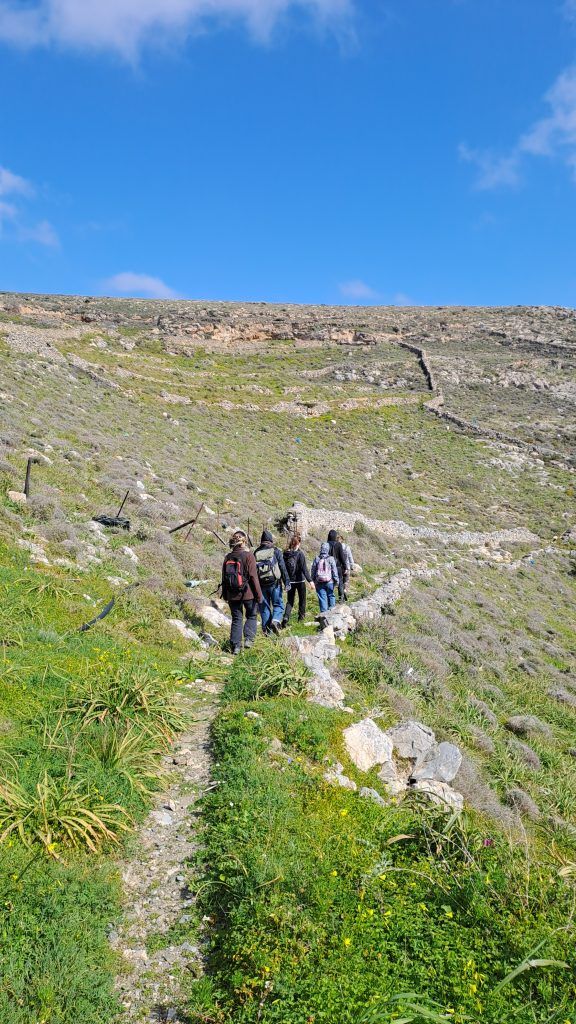
Richopo-Ferekydis Trail by Apano Meria SCE 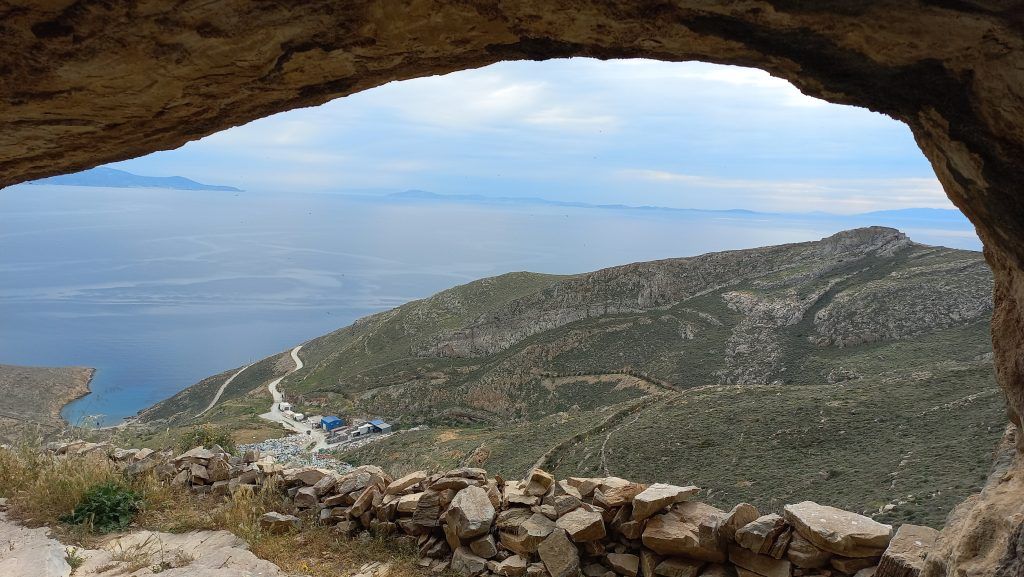
Pherecydes’ cave by Apano Meria SCE 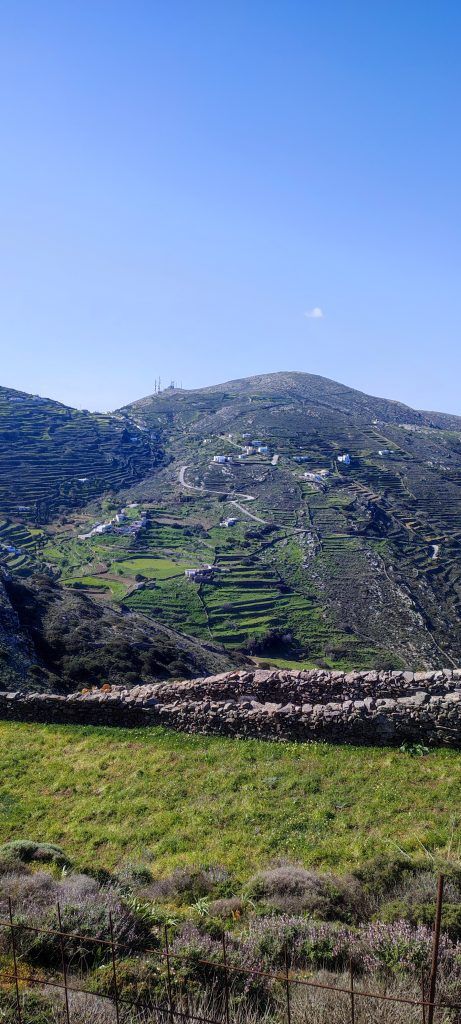
Kampos – Lia trail by Apano Meria SCE 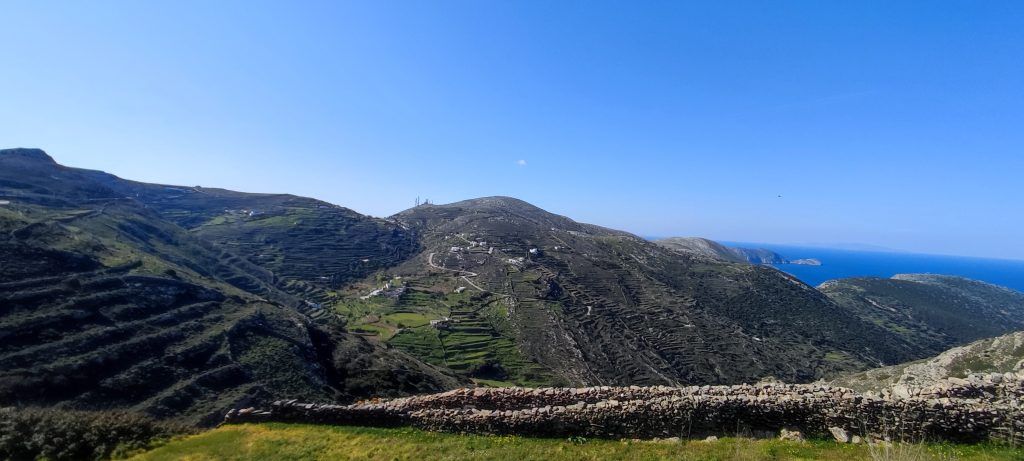
Kampos – Lia trail by Apano Meria SCE 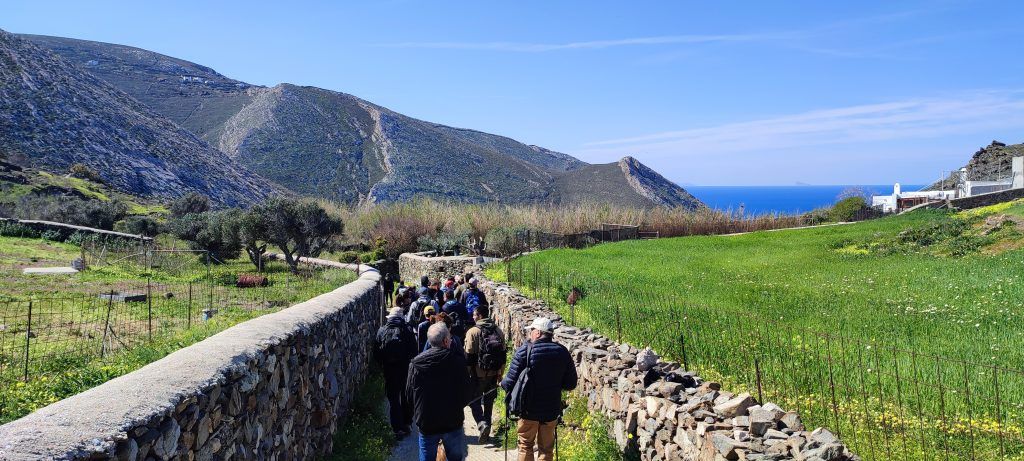
Kampos by Apano Meria SCE 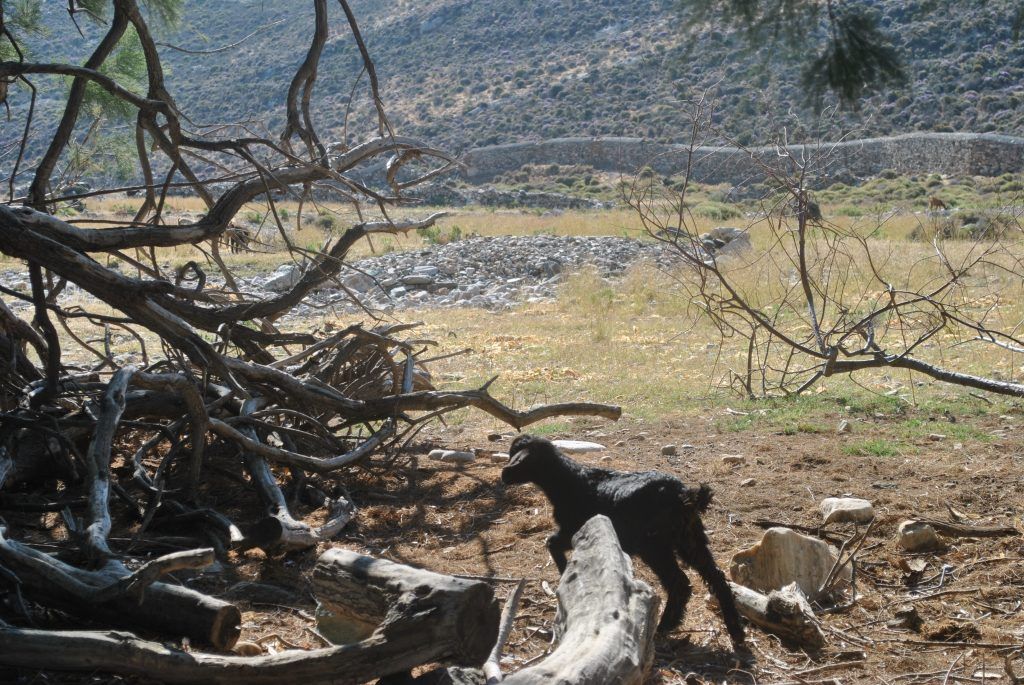
Lia by Apano Meria SCE 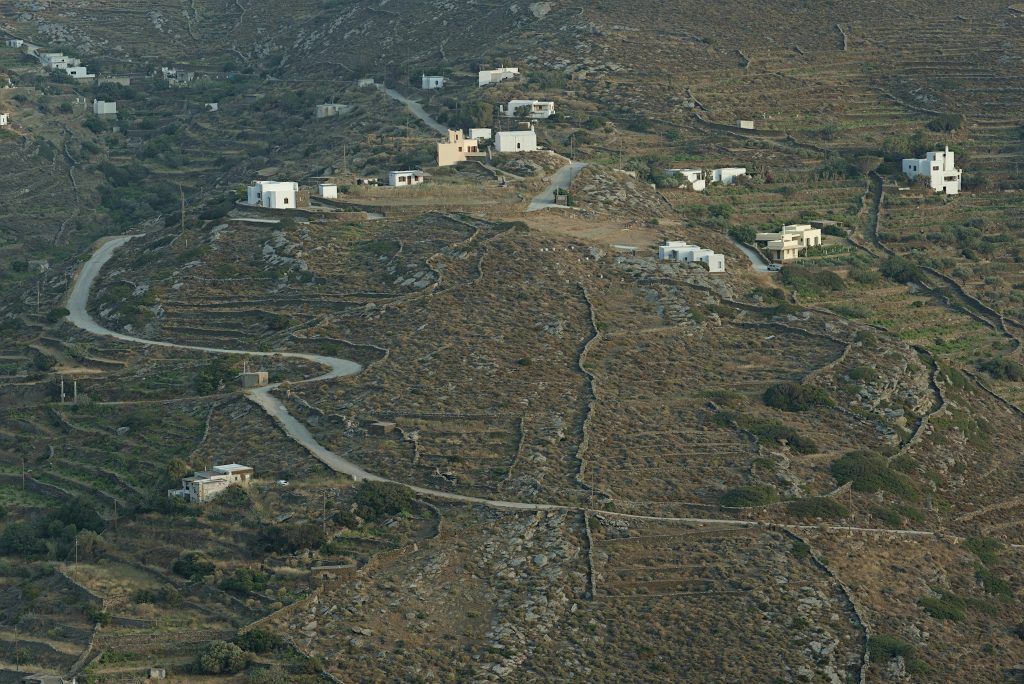
Kampos by Apano Meria SCE 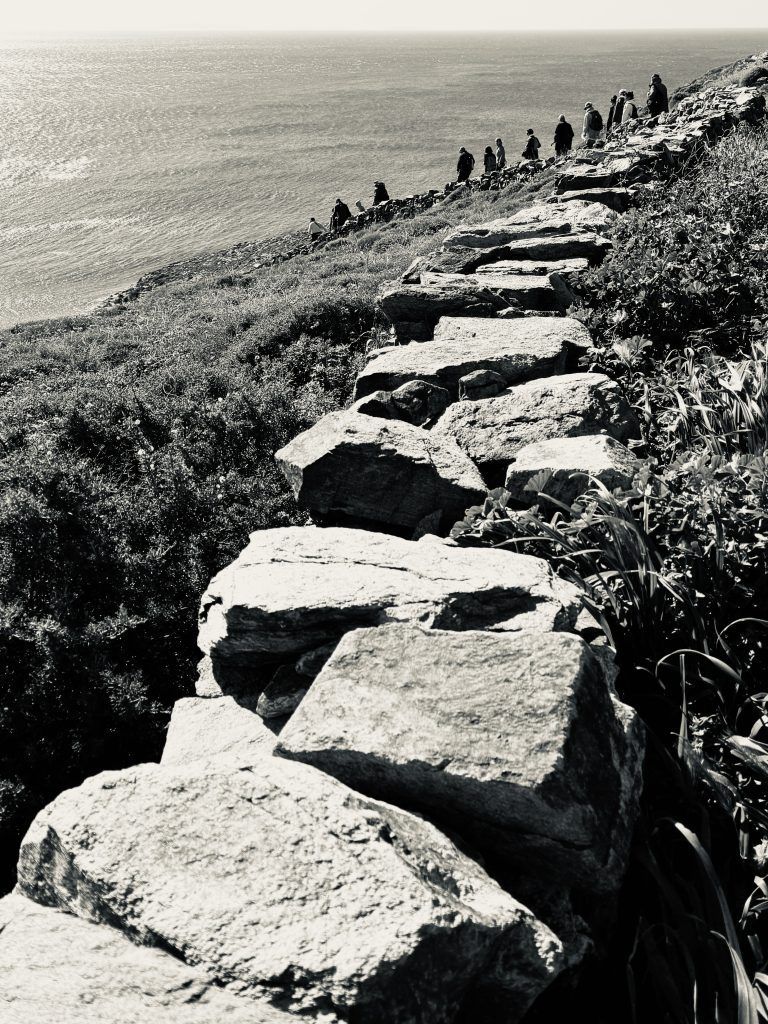
Poseidonia by Myrto Karamitsou 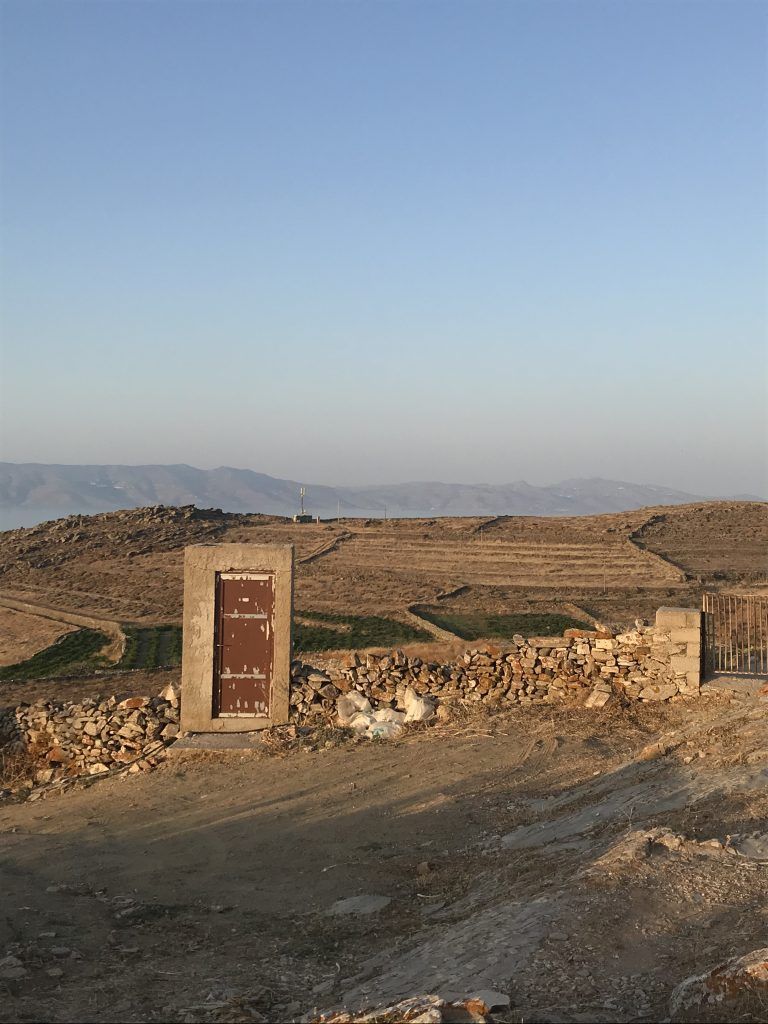
San Michali by Niovi Fournogeraki 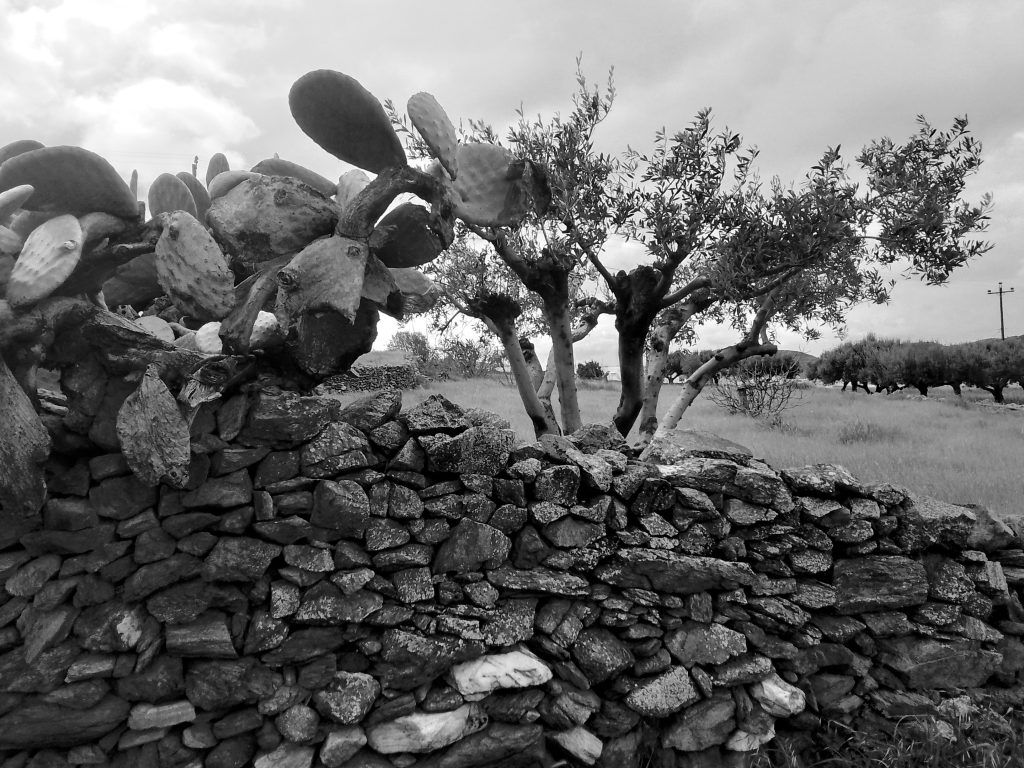
Talanta by Nikos Desipris 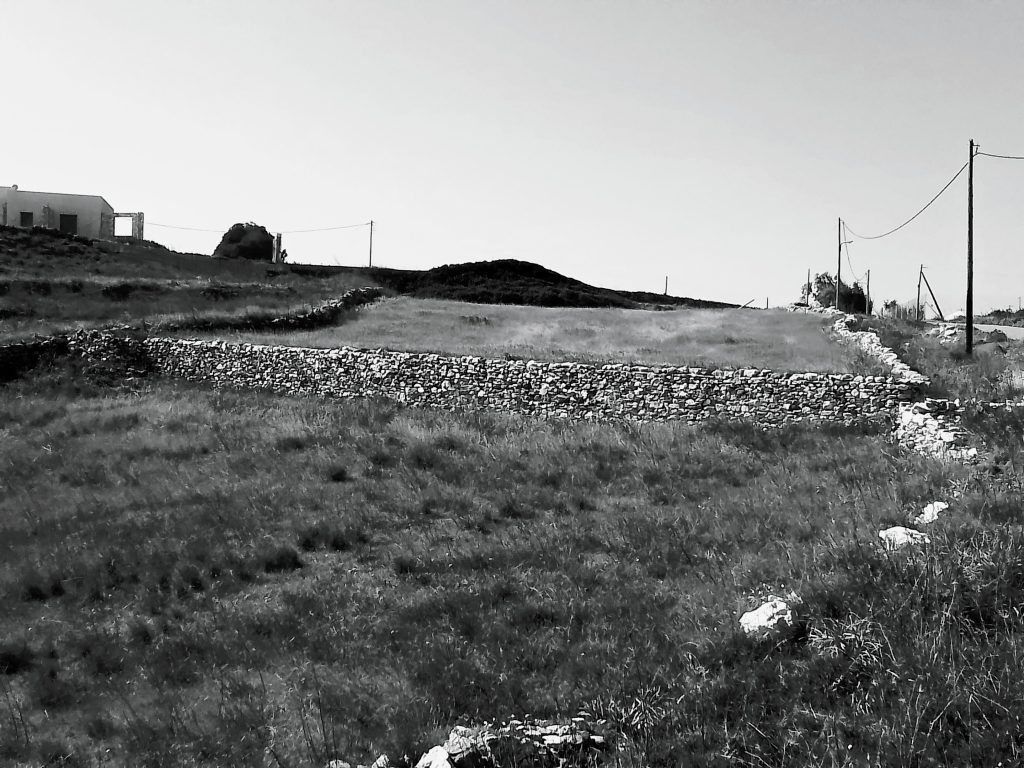
Vari by Nikos Desipris 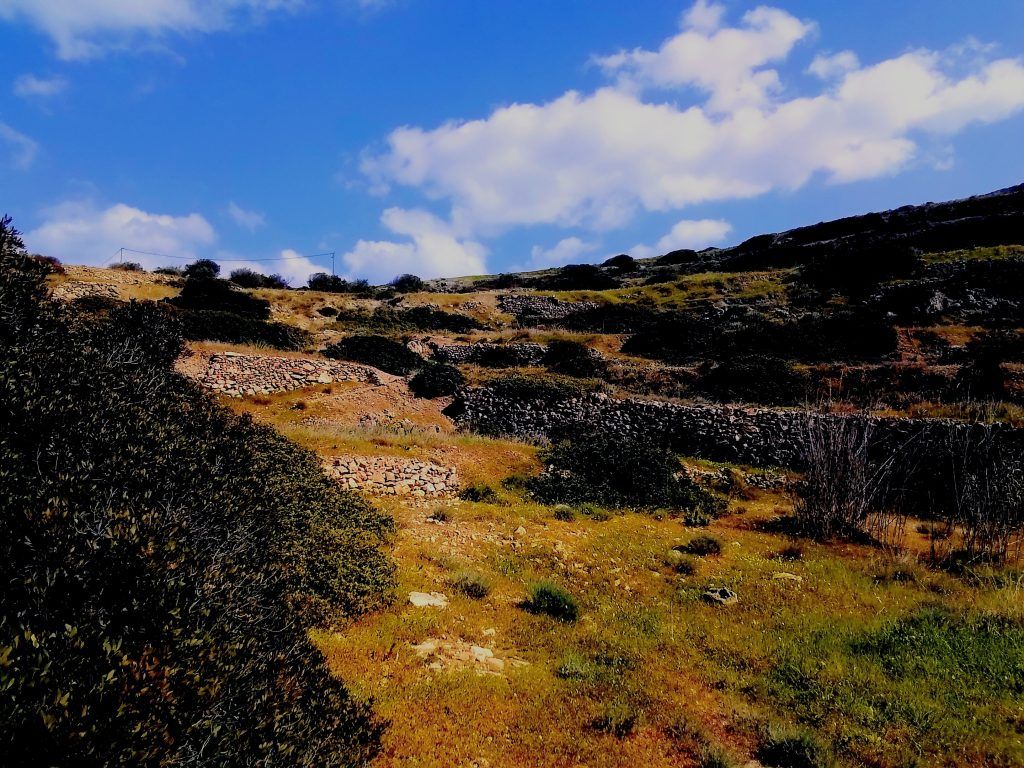
Vari by Nikos Desipris